Building Permanence. Living Regeneration.
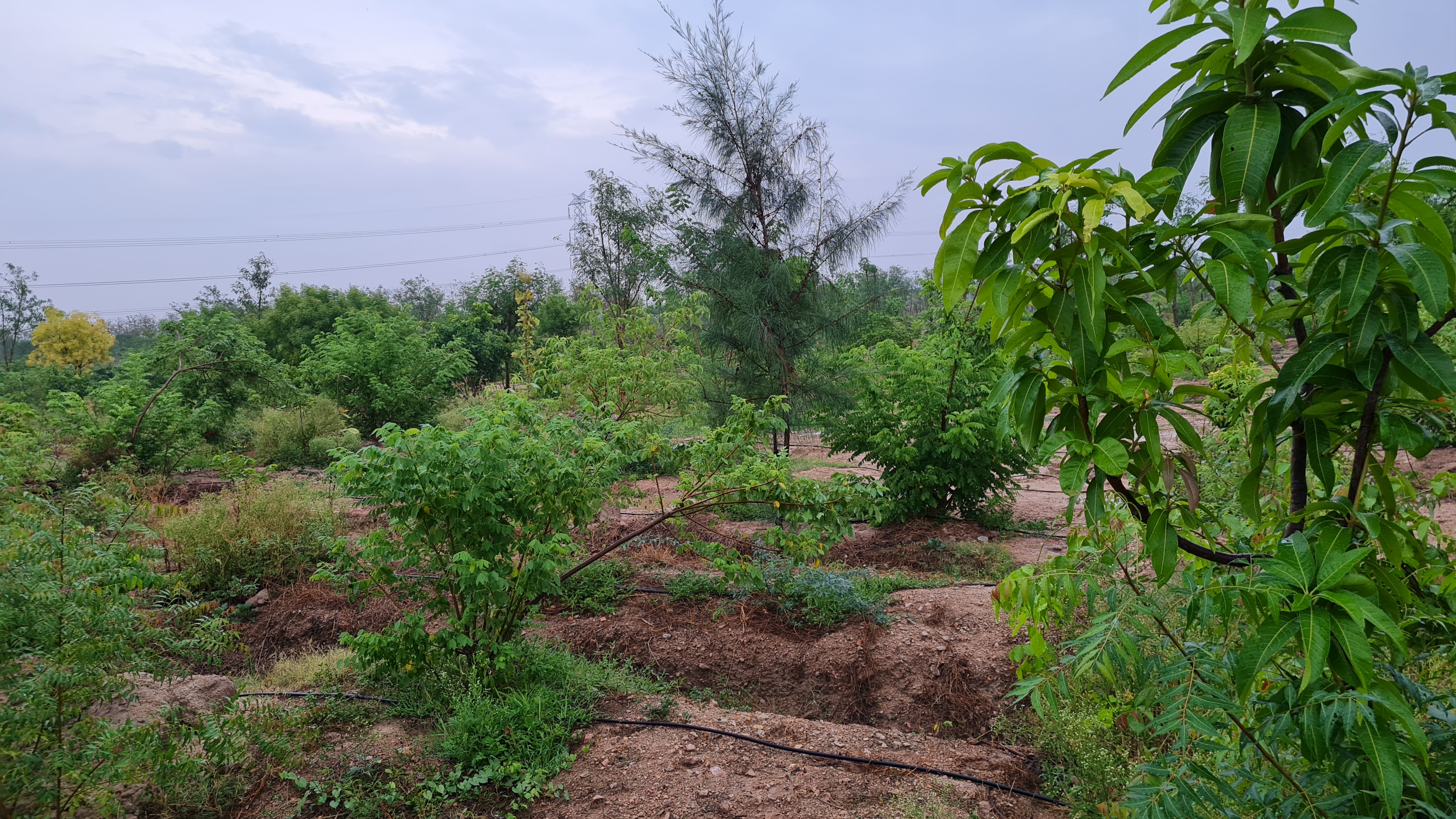
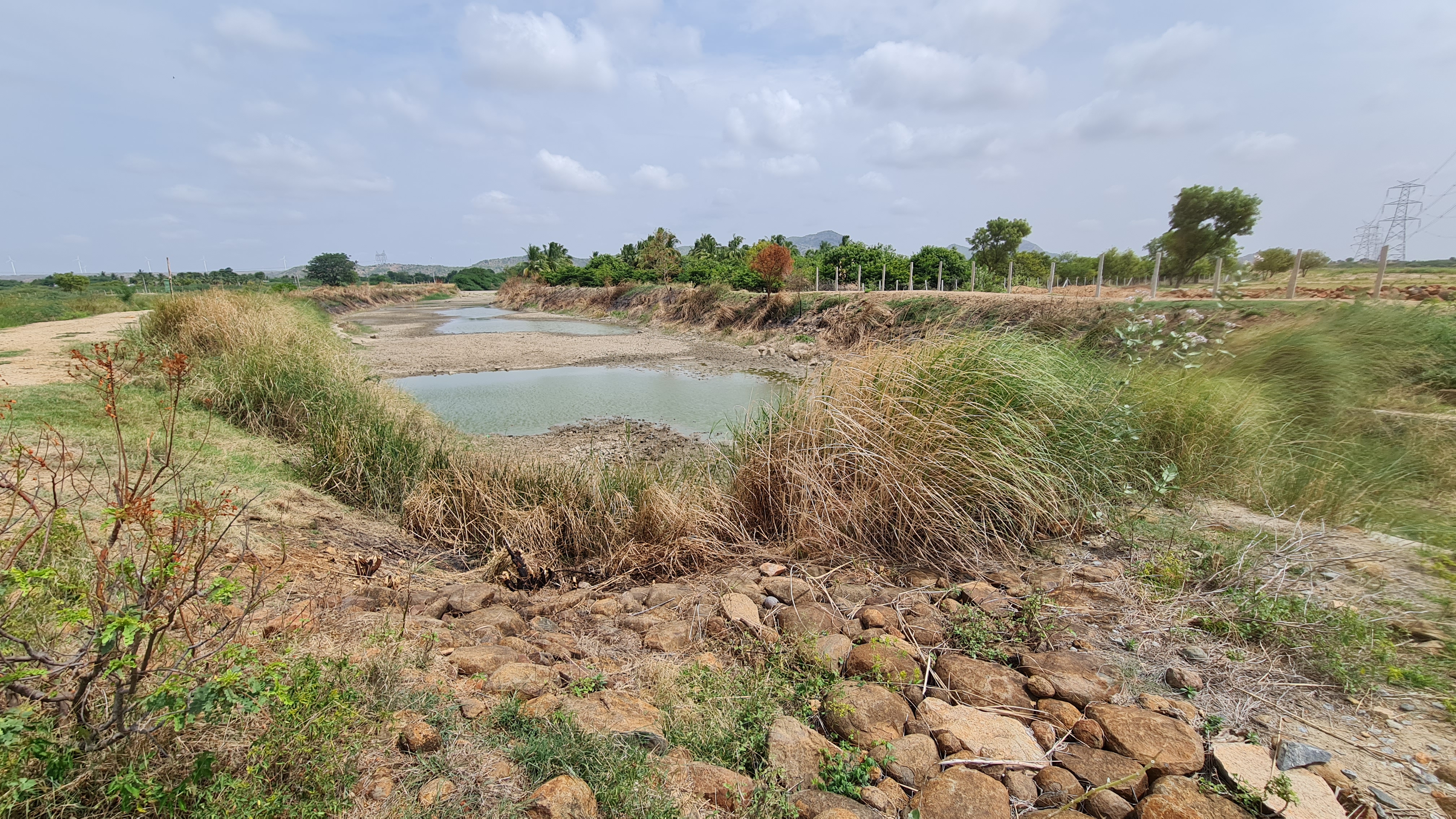
Anantgram is a living demonstration landscape in the tough, desertified, degraded soils of Sri Sathya Sai/Anantapur district, where regeneration is practiced day-to-day. We design for climate extremes, shape water from source to sink, rebuild living soil, and restore habitat—so food, fodder, timber, livelihoods, learning, and a nature re-treat emerge as outcomes over time.
Food. Farming. Future.
We believe good food begins with good soil. At Anantgram, farming isn't an act of extraction; it's an act of regeneration. By nurturing the land through permaculture principles, we grow food that heals the earth, sustains communities, and secures the future.
Our philosophy is simple: when the land thrives, everything else follows.
Our Journey
A quest that became a way of life.
Anantgram began in 2017 as a search for chemical-free food in a quarry-side, semi-arid landscape. The work quickly expanded into rebuilding the foundations for life through Permaculture —water, soil, habitat, and community—so the land could become productive and resilient for generations.
The Beginning
Master Planning & Planting Water.
We began by shaping the land for life.
-
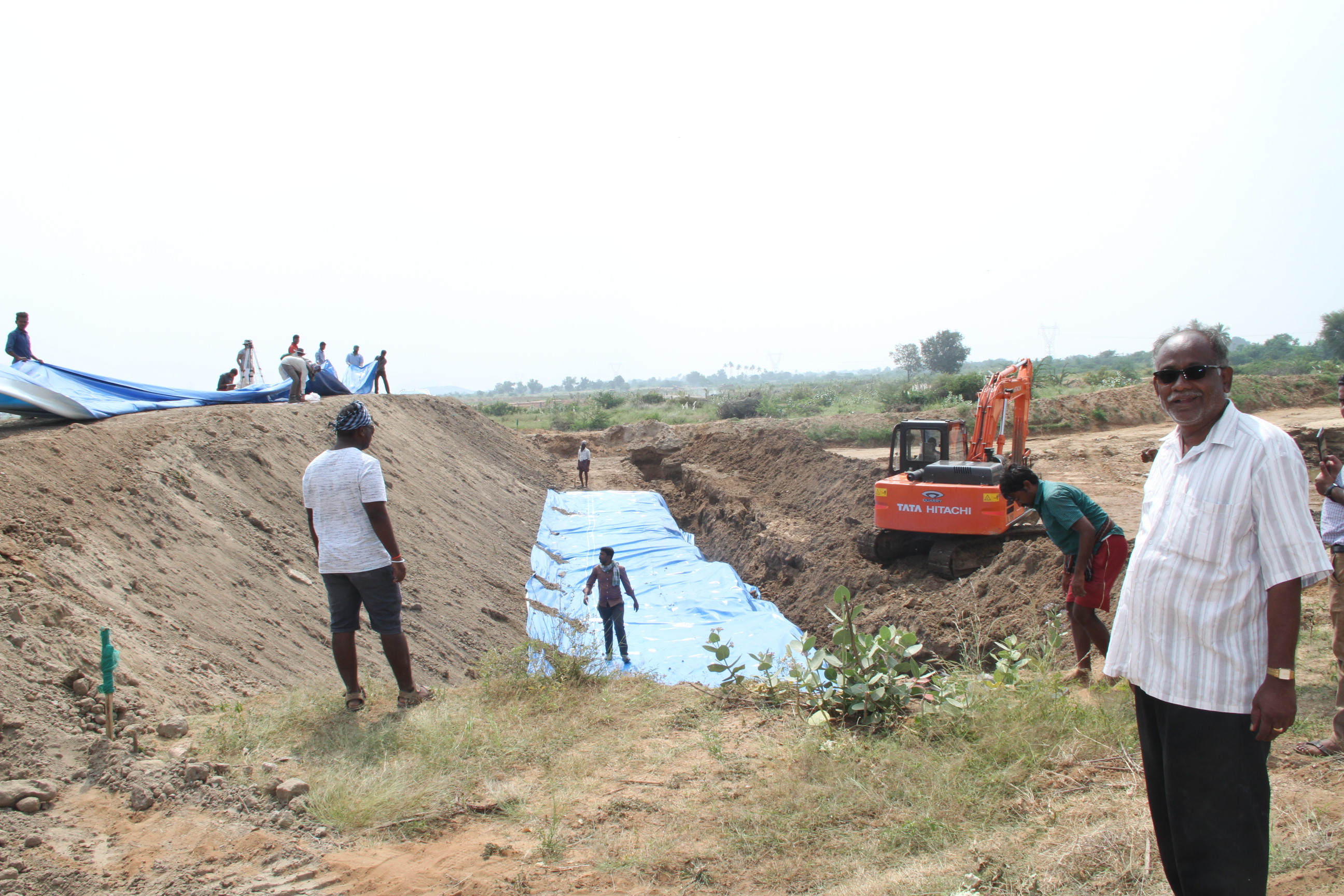
Earthworks for broad-scale water systems, soil building, and food plantations
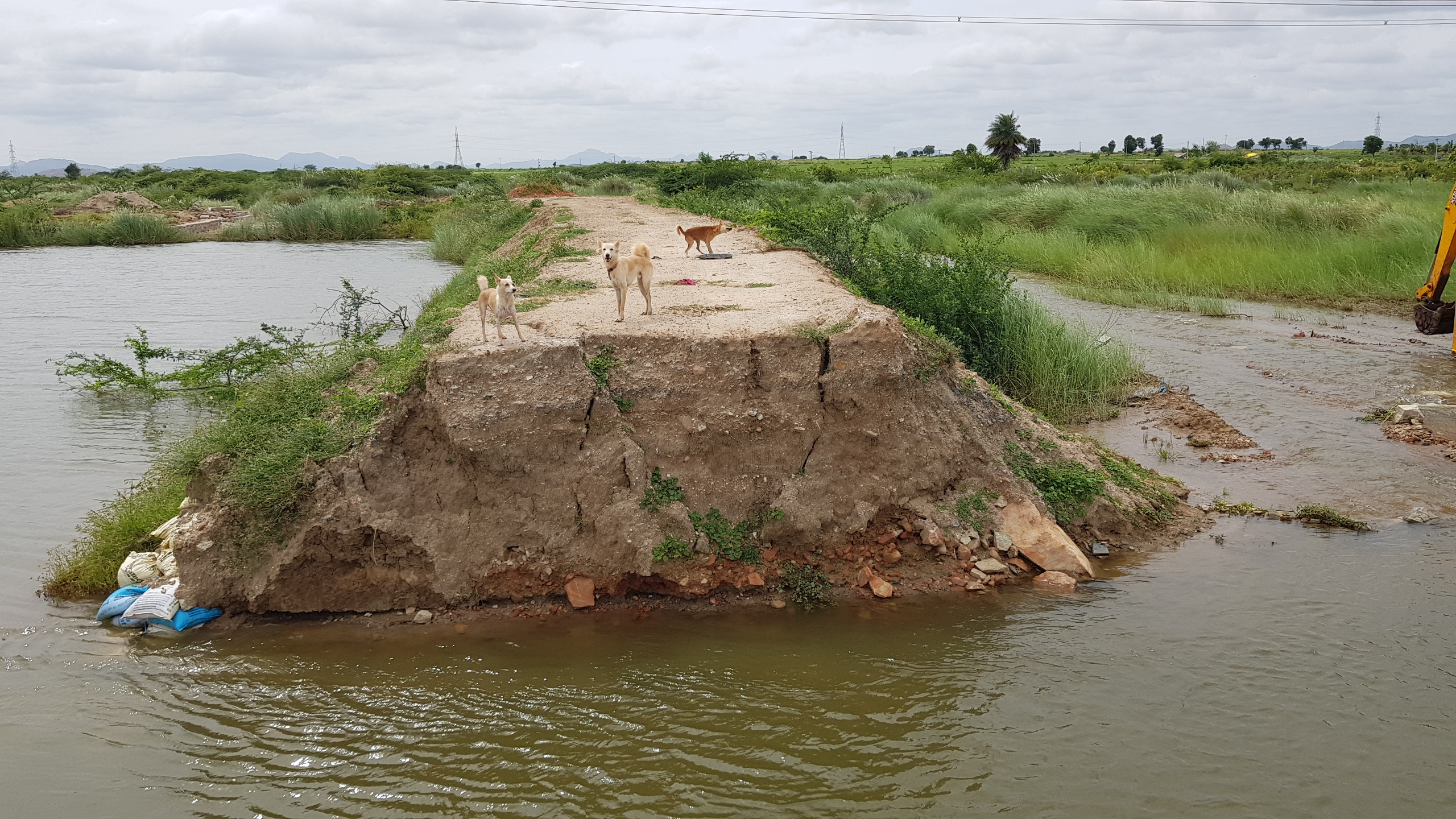
A 2 crore litre Masagi Earthen Dam to channel floods into water harvesting.
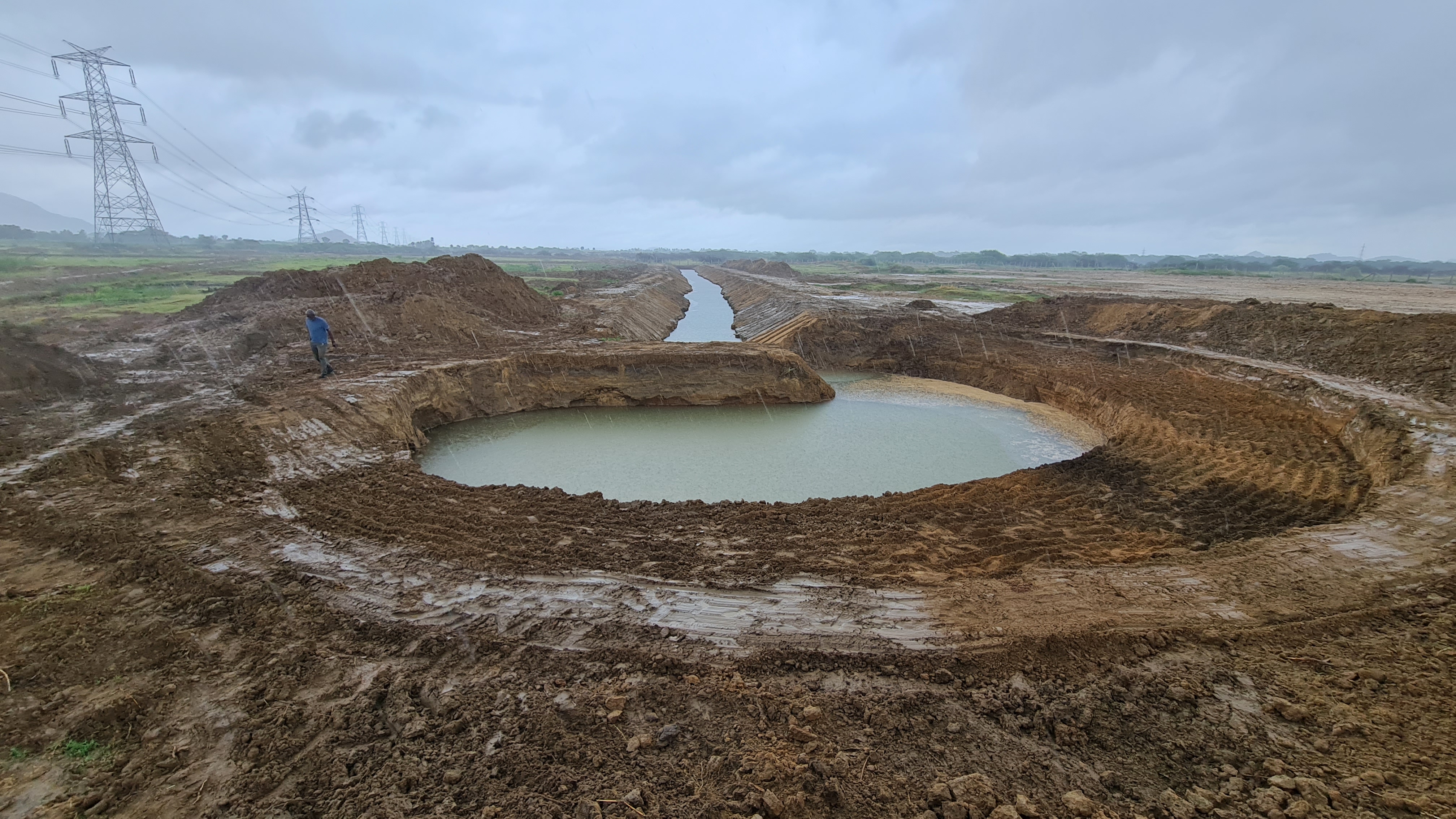
Staggered canal systems, 40 lakh-litre lakes, and an 18 lakh-litre sump
Upcycled container housing Sankalp for staff and workers
First plantations of flowers, fruits, and timber
Building Soil & Biomass Banks
The land began to breathe again.
- Living and manual firebreaks, boundary roads, and windbreaks
- Year-round soil regeneration using Clea Chandmal's Forest Floor Way
- First weekly vegetable baskets and seasonal crops
- Value-added produce: jaggery, pickles
- Sump Dhaba established for evenings by the water
Refining Water & Access Systems
Design evolved through practice.
- Source-to-sink rainwater management via contour trenches, ponds, and drains
- Micro-climate creation and grey-black-water reuse systems
- Internal road networks and chinampas
- Permaculture workshops and courses
- Planting across all seven layers of permaculture
Worker’s Village and Covid Year of Resilience
Community became our strength.
- Stabilised spillways and enhanced waterworks
- New nurseries based on trial learnings
- Built a permanent workers' village
- Continued basket deliveries through the pandemic
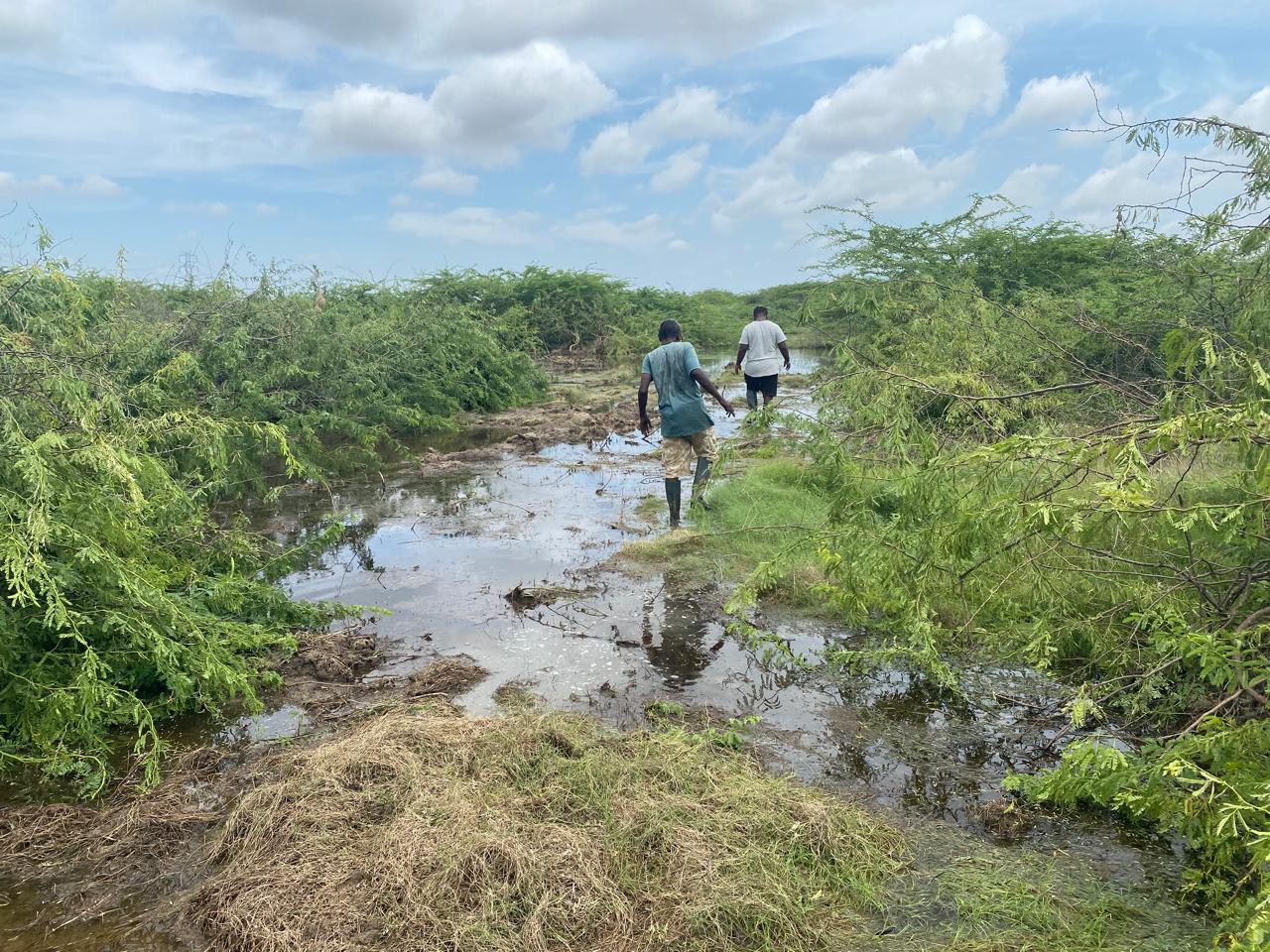
- The Sailaab project turned flood challenges into opportunity
Phase 2 Reclamation
Scaling regeneration.
- Phase 2 development based on early learnings
- Boulder and stone bunds with guide walls for erosion control
- Ram Setu — the water bridge — completed after four years
- Basmati rice added to the crop rotation
Wetlands & Biodiversity
Life returned in full chorus.
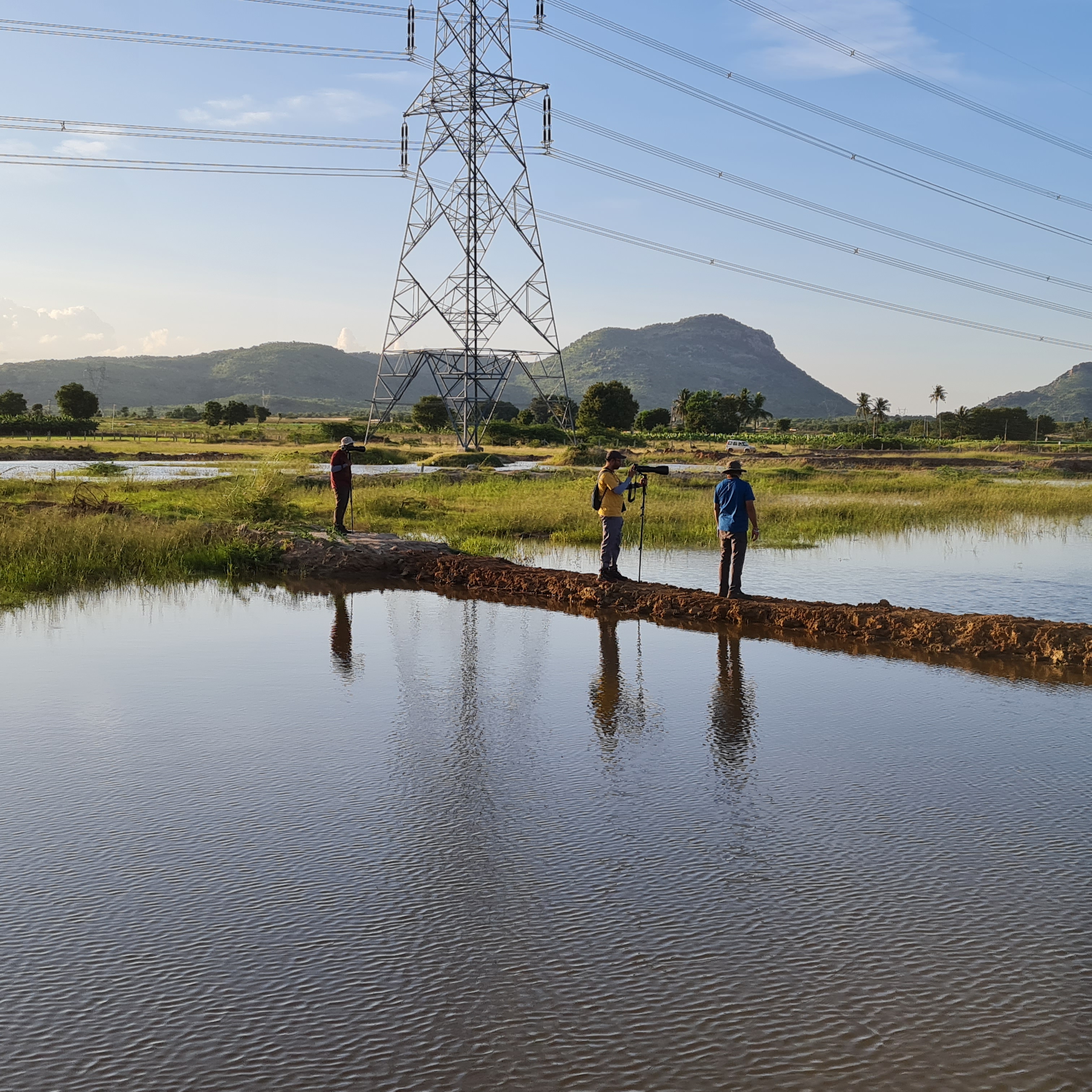
- A year-long biodiversity study documented 154 bird species
- Phase 2 canals and all-weather roads
- Shakuntala Waterfall and natural swimming pool created
- Lotus ponds introduced; birdwatchers began visiting
Launch of Vanaa
Regeneration meets participation.
- Vanaa: the agro-forestry living initiative launched
- Families invited to co-own and nurture living forests
- Phase 2 ponds, contour and boundary trenches built
- Earthen dam desilted; Shikar viewpoint established
Sharanam Bird Sanctuary
Designing for biodiversity and comfort.
- Sharanam: the Marsh Bird Sanctuary launched
- Beekeeping introduced
- Agri-education tourism for schools and farmers
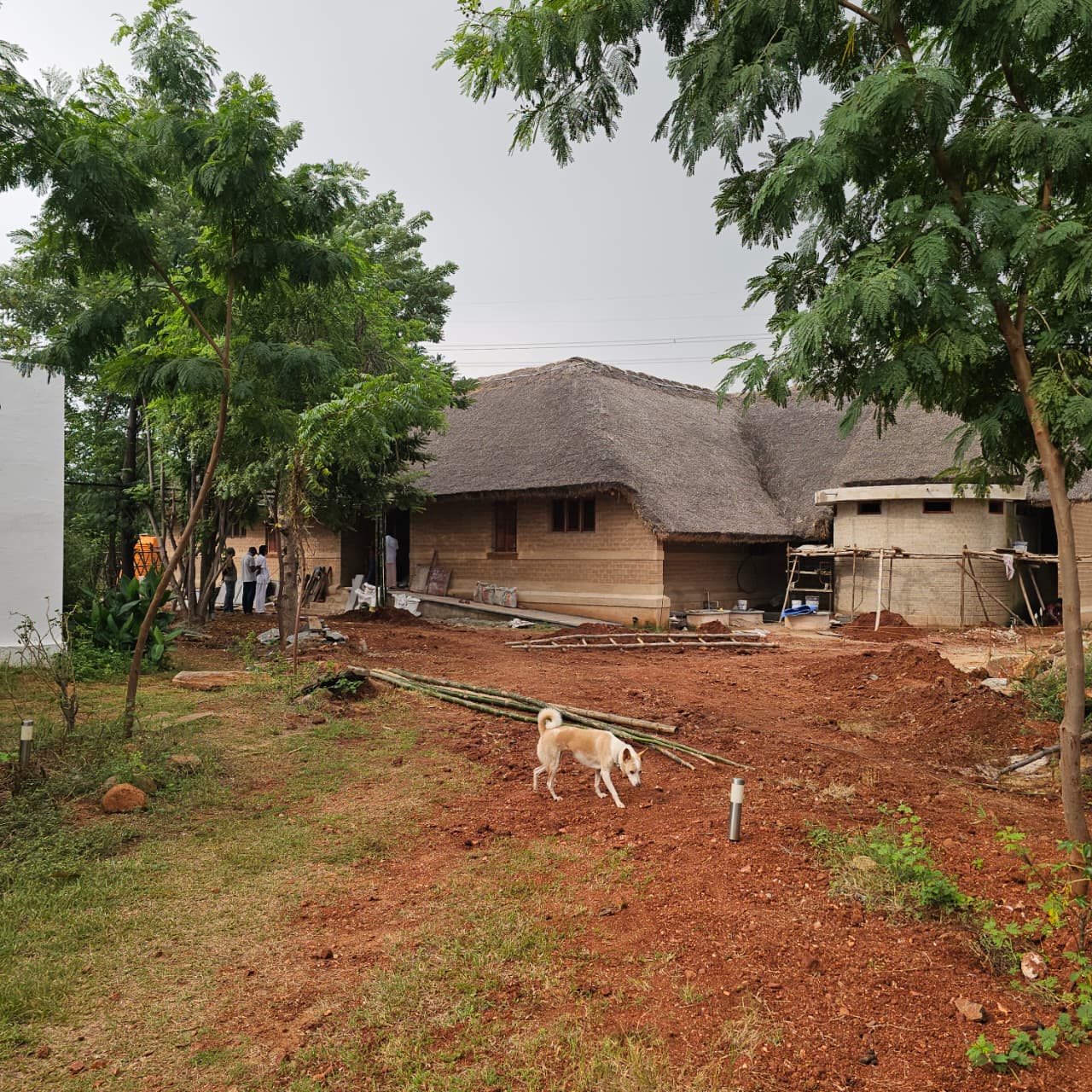
- The Start of Samatva — a zero-cement, zero-steel structure with regional artisans
Living Systems & Aesthetic Planting
Integration and refinement.
- Vanaa development completed; management continues
- Samatva is ready for living
- New amenities: Shrimiana at the dam, volleyball field
- Phase 3 transitions to agri-silviculture model
Design Methodology
"Sustainability preserves. Regeneration transforms." At Anantgram, we work in a loop: design → implement → thoughtful and prolonged observation → course-correct → maintain → harvest outcomes. Over time, this rebuilds water, soil, biodiversity, livelihoods, health, and community—creating abundance that grows across generations.
1. Climate
We design for heatwaves, monsoons, drought cycles, winds, and sun paths unique to semi-arid Andhra Pradesh.
2. Landform
Ridges, valleys, quarry depressions, and natural drainage lines shape all decisions on water, roads, and plantations.
3. Water
A complete hydrological system: harvesting, storage, testing, filtration, distribution, reticulation, and recharge.
4. Invisible Structures
The social, cultural, legal, and economic frameworks — including the 8 Forms of Capital — that make the whole system viable.
5. Access & Circulation
15+ km of internal roads, trails, and canal crossings designed after water, always respecting landform.
6. Forestry / Vegetation
7-layer agroforestry with native species, timber, fruit, fodder, windbreaks, firebreaks, and biodiversity corridors.
7. Buildings
Climate-responsive, low-impact structures like Samatva and Sankalp, placed only after analysing climate, water, and vegetation.
8. Fences
Living hedges, bamboo walls, and wildlife-sensitive boundaries.
9. Soils
Transforming alkaline, sodic quarry soil into living, carbon-rich earth through mulching, composting, and perennial cover.
10. Economy
Diverse, long-term yields grounded in the 8 Forms of Capital — ensuring resilience across generations.
11. Energy
Solar, passive cooling, efficient irrigation, and low-waste systems.
12. Aesthetics
Beauty as function: viewpoints, water edges, tree lines, stone bridges, and calm spaces that shape experience.
The People Behind Anantgram
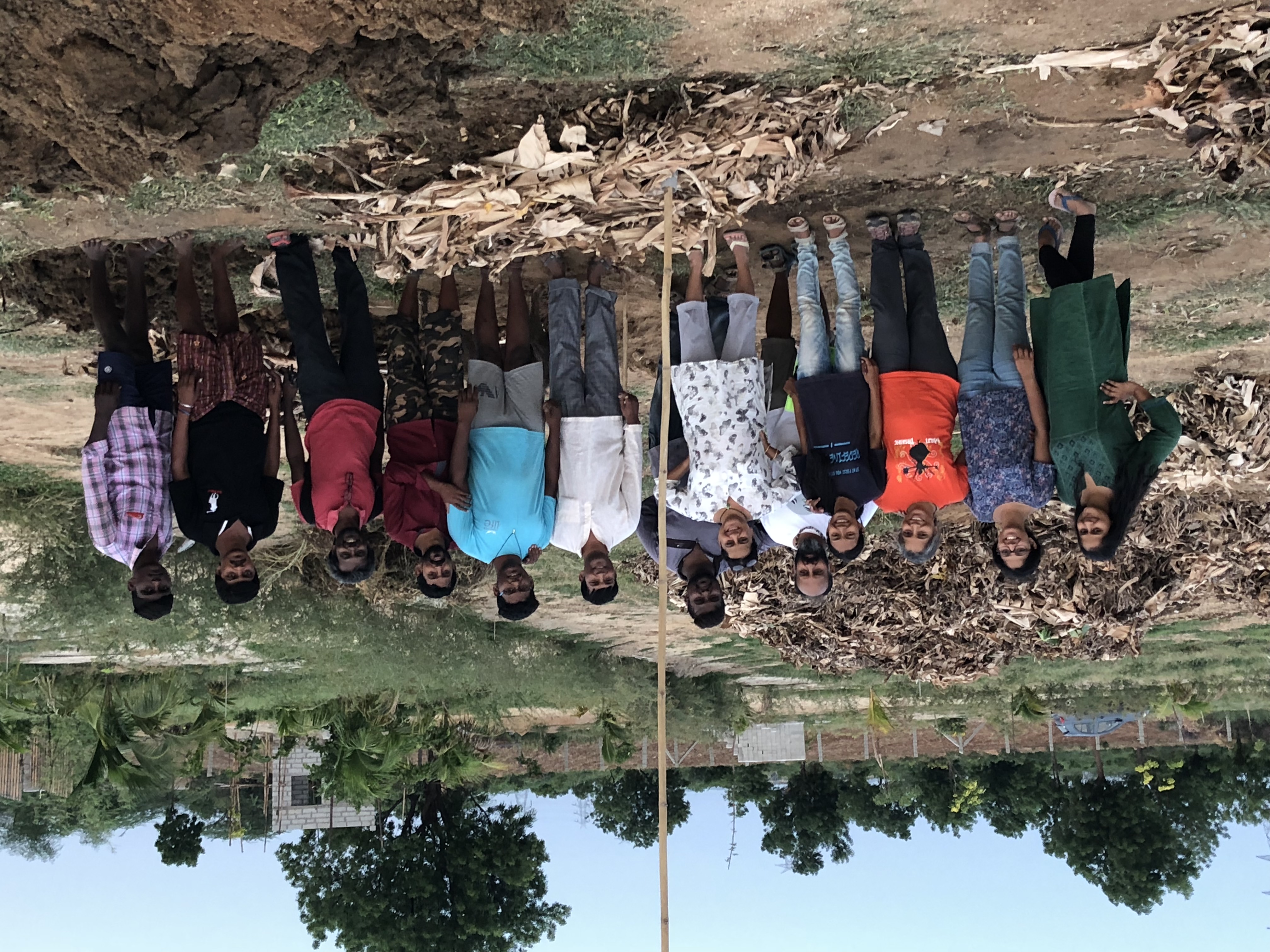
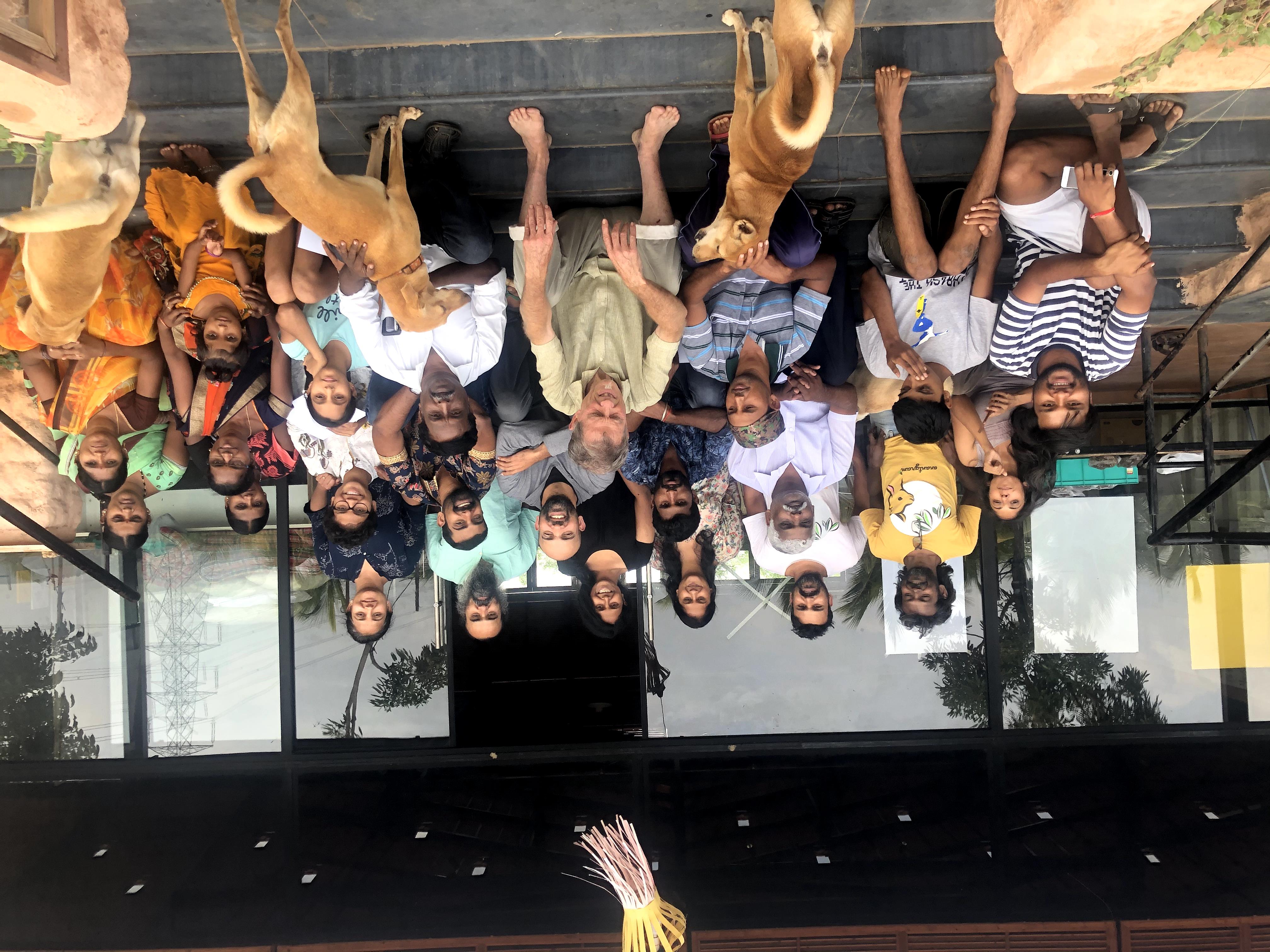
Five core team members who have shaped the vision and lived the work—designing, building, and stewarding this landscape since 2017.
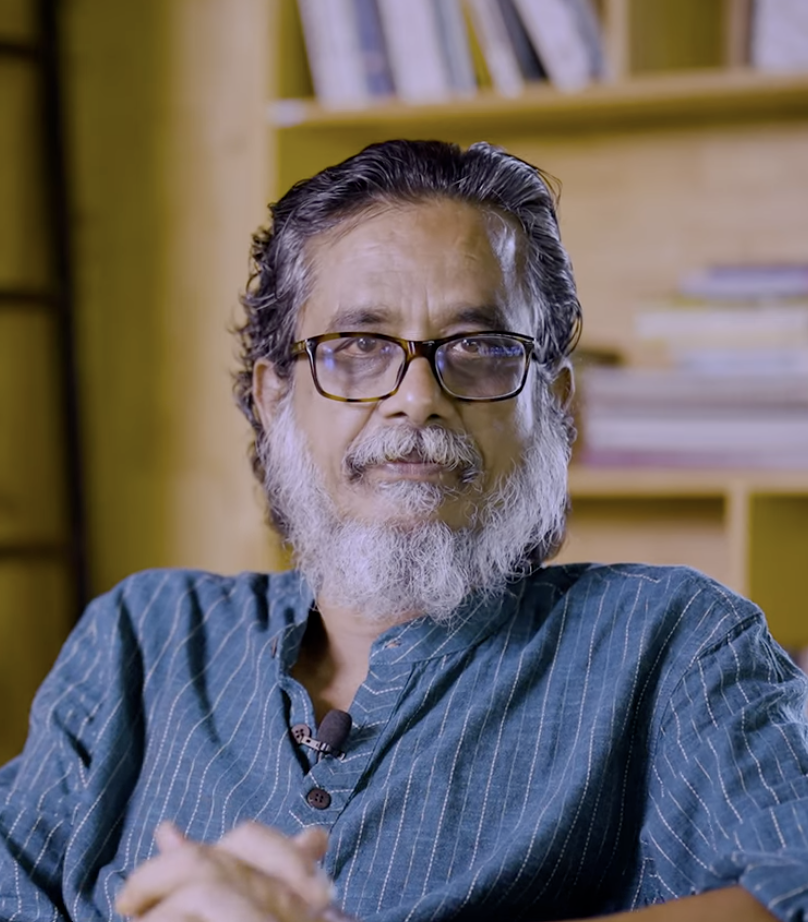
Sukant Gupta
Founding Custodian
Permaculturist. Driving the vision forward, managing teams and resources towards a healthier future for all.
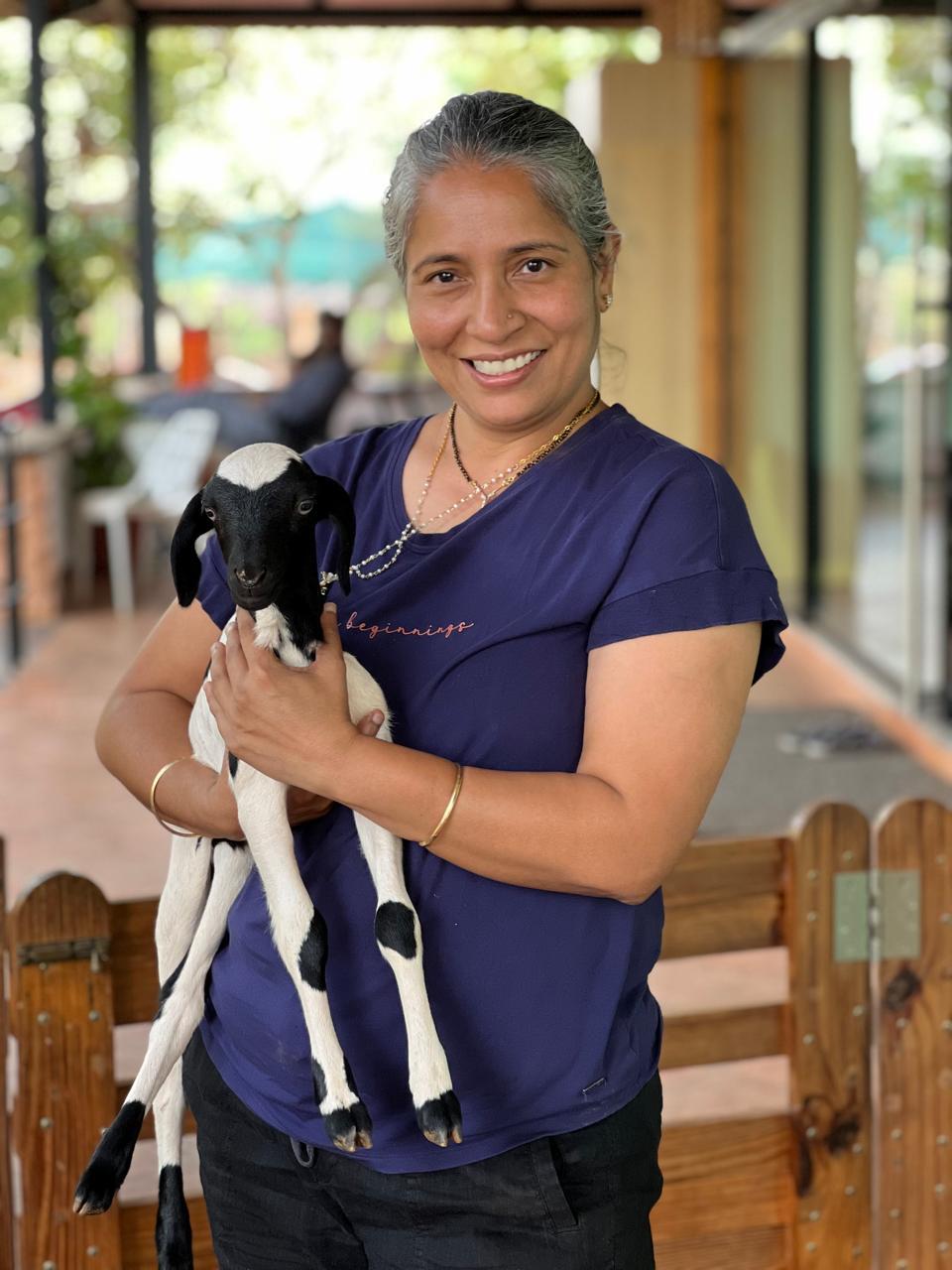
Krupalini Sreenivasulu
Co-Founding Custodian, Community Services Lead
Managing the Community Supported Agriculture and Hospitality teams.
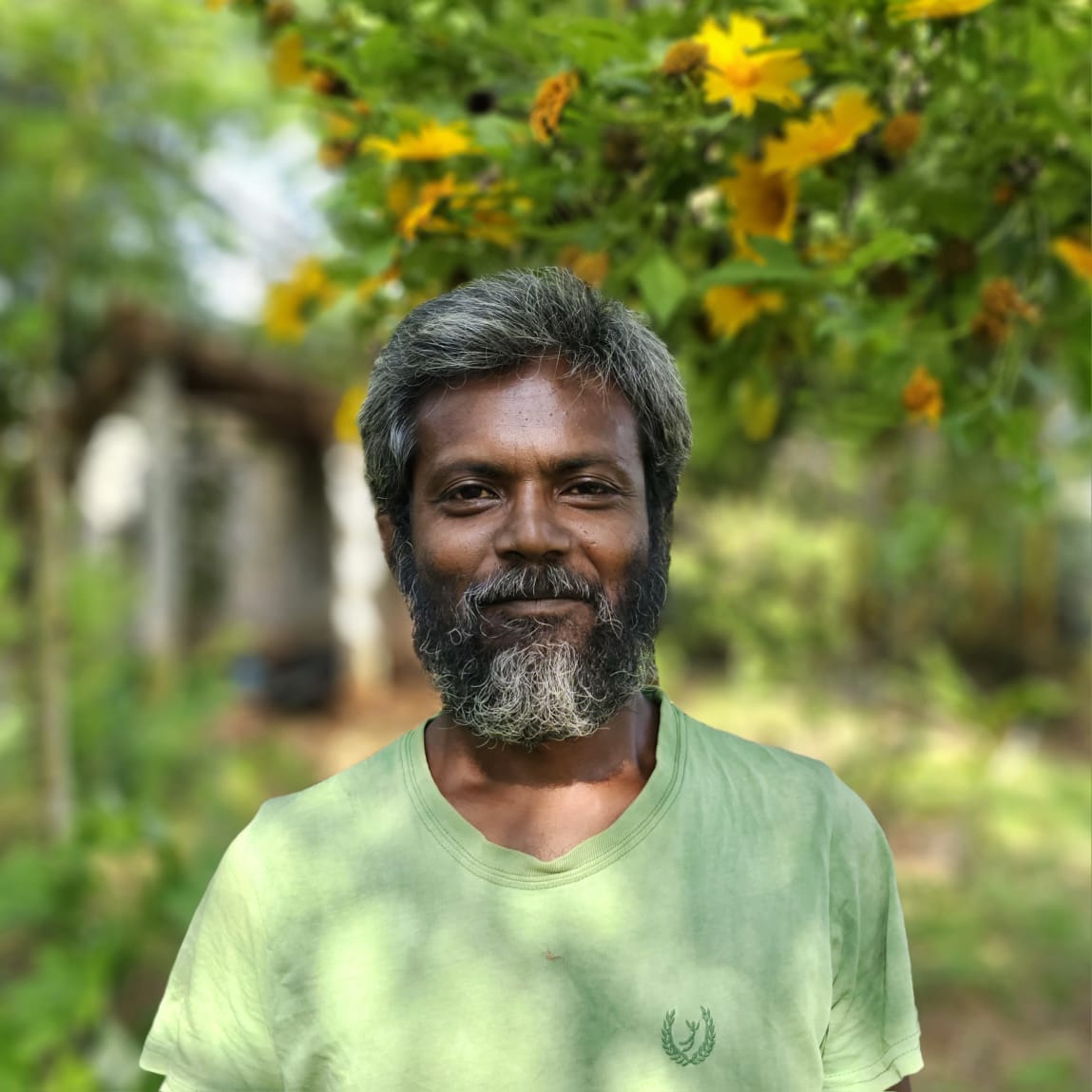
Jedidiyah Alfred
Permaculture Advisor and Facilitator
Permaculture designer, implementor, facilitator. Key support species of Anantgram.
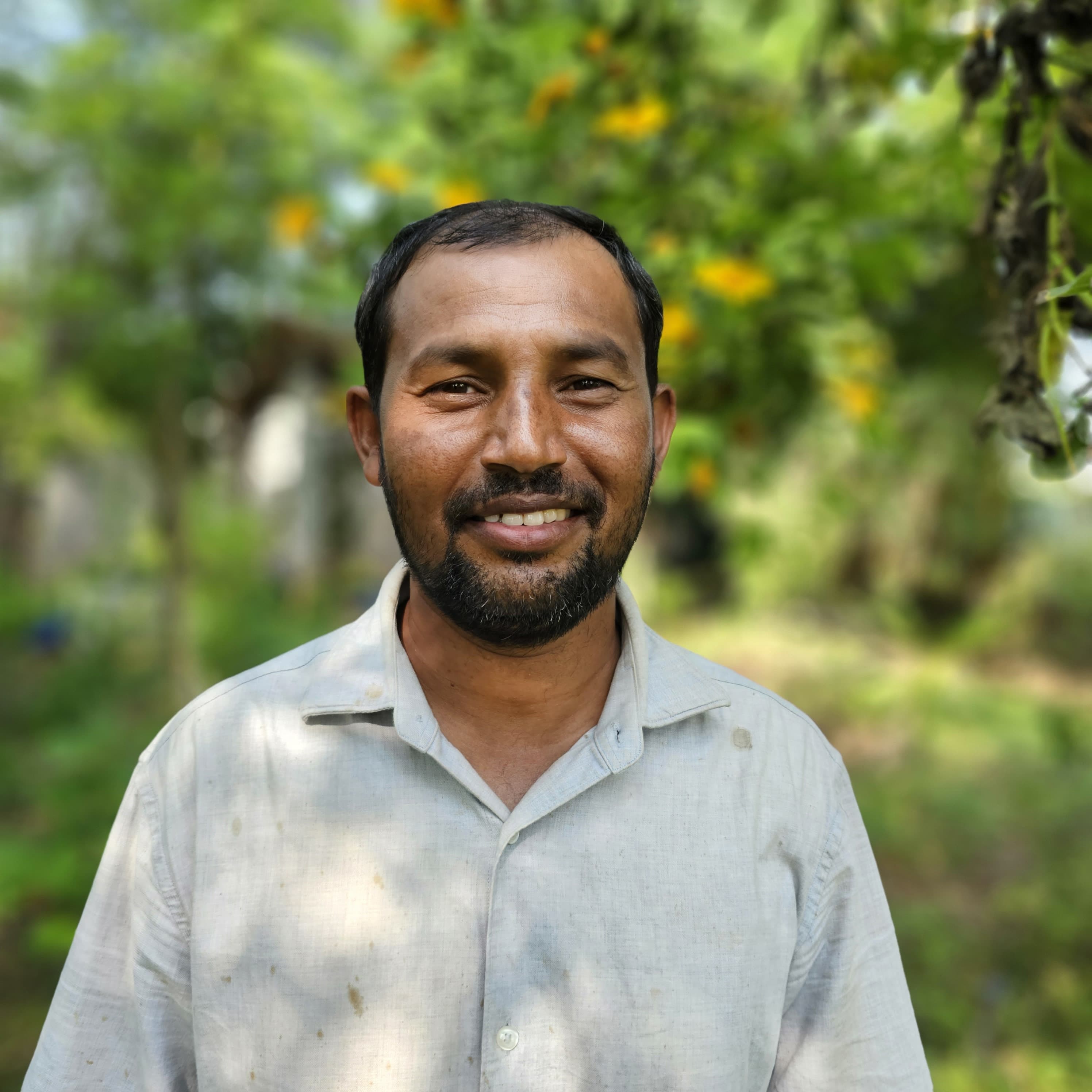
Ramakrishna Byrareddy
Plantation and Experiences Head
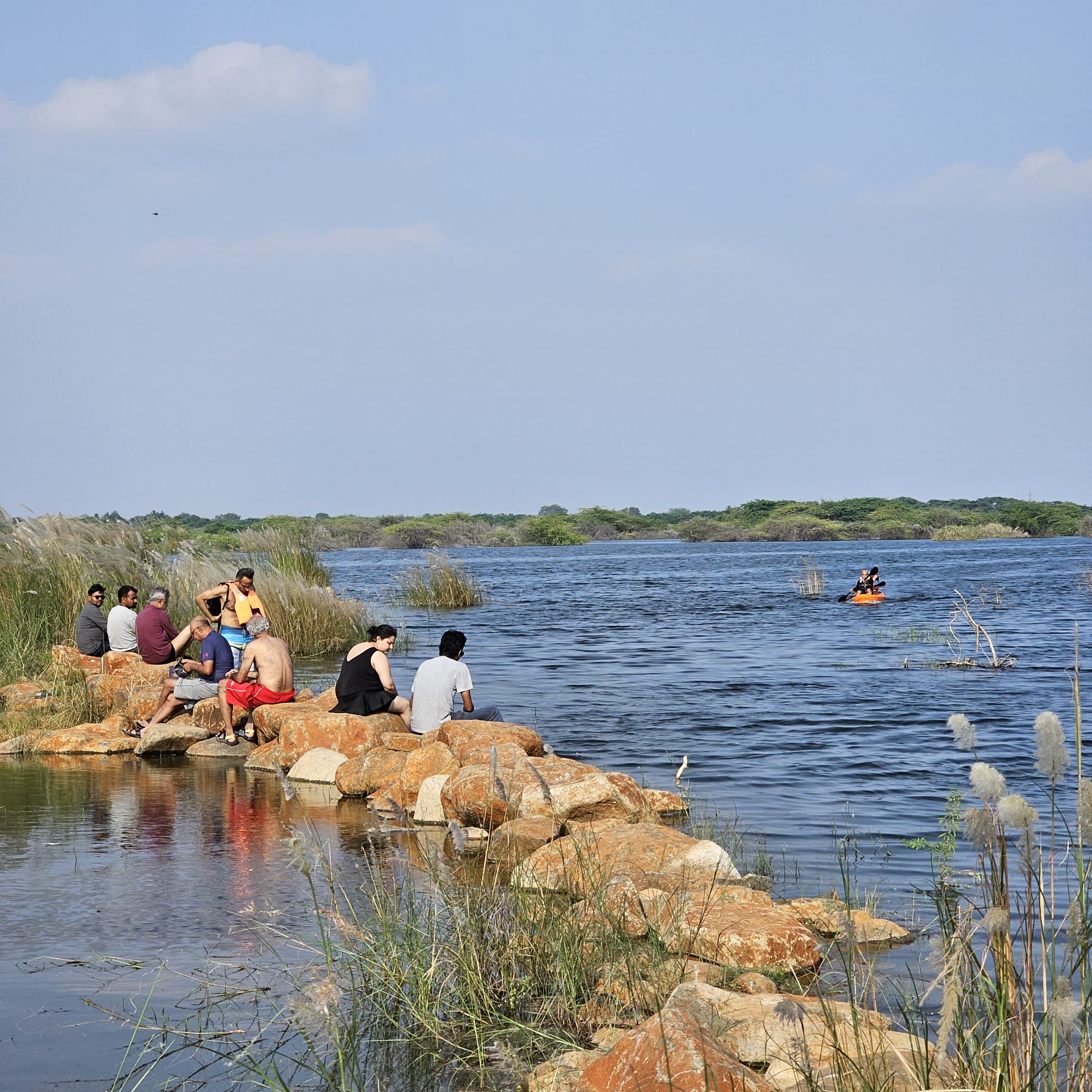
Leading the plantation and experiences teams for Anantgram and Vanaa. Naturalist, forester, and adventure and water sports facilitator.
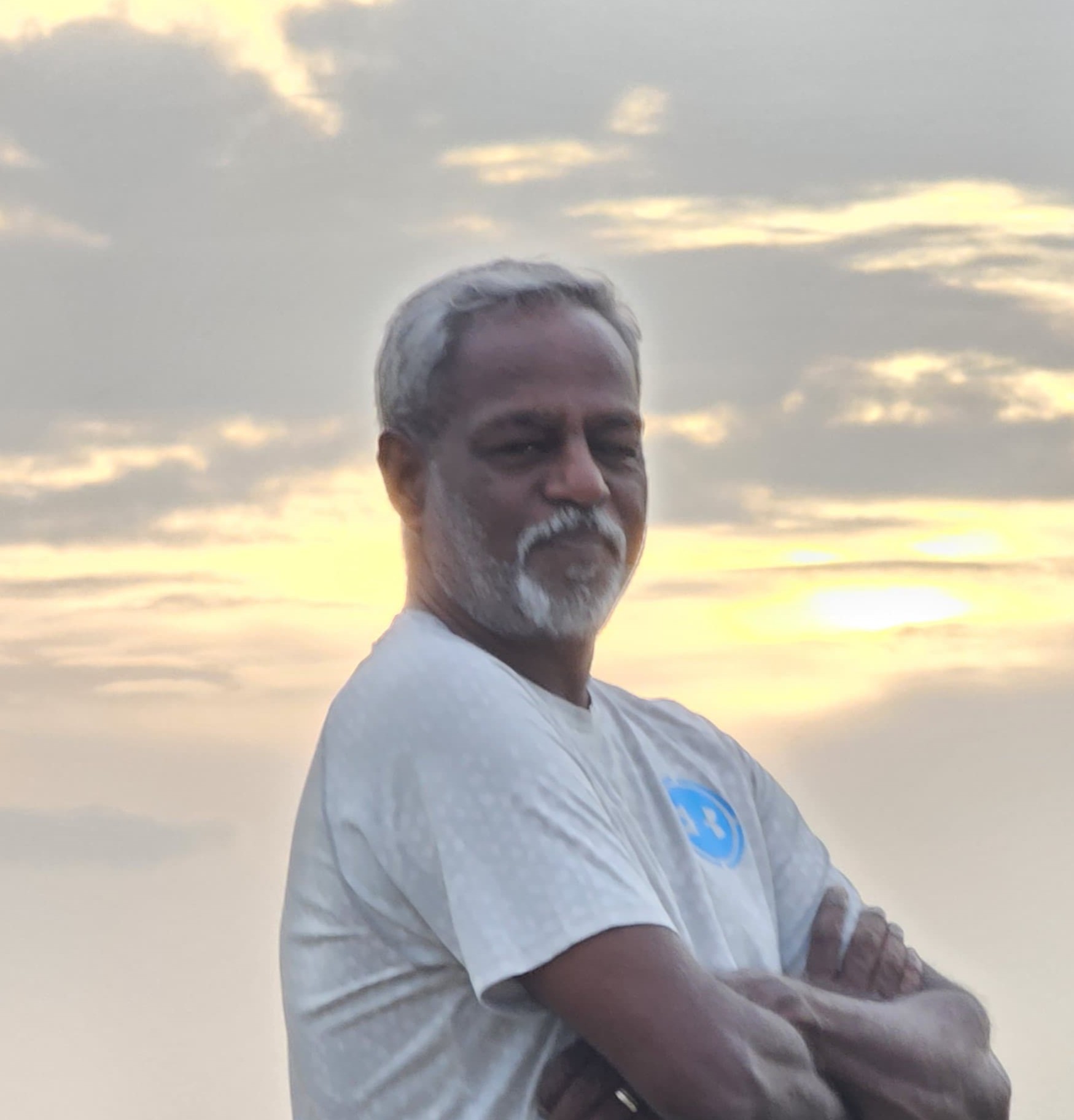
Sagai Cruz
Resident Sustainability Architect
Low-cost, sustainable, natural building expert. Mud concrete aficionado.
Our Impact
Reversing Desertification
In Anantapur, desertification is not a theory; it's a reality. Cracked soils, vanishing water, and fragile livelihoods once defined this landscape.
At Anantgram, we chose a different path — one of regeneration, based on analysis and understanding of the land, through design, implementation, corrections, and stabilisation.
We don't fight desertification — we design our way out of it.
Water Availability
Increased borewell levels — consistent and increased availability of water throughout the year
Changing Cropping Patterns
From low-water crops like groundnut to high-water commercial crops — banana, coconut, citrus, vegetables
Knowledge Transfer
Contour and boundary trenches, windbreaks, biomass banks adopted in neighboring farmers' lands
Livelihoods
Continual employment for 9 years, supporting local communities and building resilience
UN Sustainable Development Goals
Anantgram actively contributes to four global SDGs through its regenerative land and community work.


Our team will get back to you shortly.